From Demo to Deployment: Lessons From CES On Emerging Technology
Written By
What Emerging Technology Looks Like in the Real World
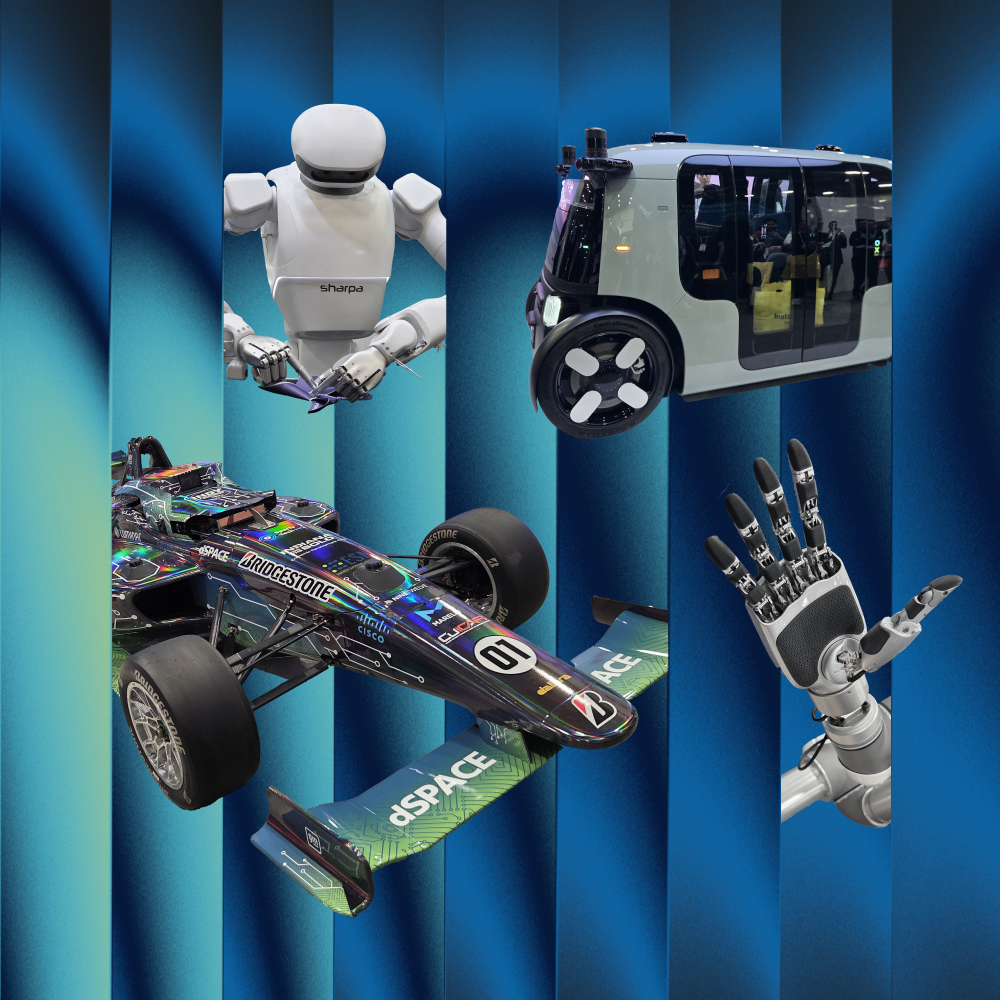
Earlier this year, one of our senior engineers, Dan, attended the Consumer Electronics Show (CES), where emerging technologies are introduced long before most organizations (and people) have to figure out how they work in practice.
CES is often framed as a look at what comes next. What stood out this year was how much of that future is already here, just not fully settled. Systems are running in public. People are interacting with them. The rough edges are visible.
For anyone working in digital transformation, this phase feels familiar. Technology rarely arrives finished. It appears early, gets tested in unpredictable environments, and gradually reshapes expectations around it. The real work is not inventing the technology. It is integrating it into systems, workflows, and experiences that cannot afford failure.
That is where innovation stops being theoretical and starts becoming operational.
Autonomy Is Visible Now. Consistency Is Still Catching Up.
Autonomous vehicles offer a useful example of what emerging technology adoption actually looks like in the real world.
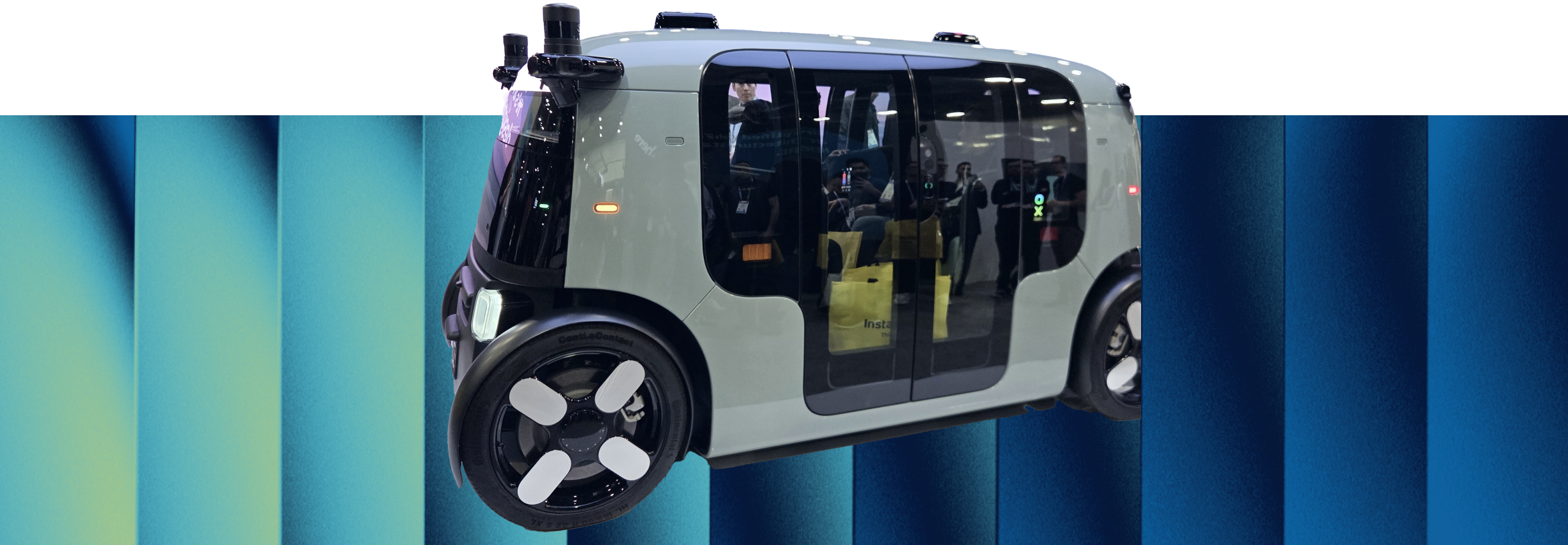
On the Las Vegas Strip, driverless cars were already transporting passengers through busy city traffic. This was not a controlled test environment or a quiet pilot program. It was pedestrians, rideshare congestion, and late-night crowds all sharing the same space.
At one point, one vehicle signaled right and turned left. The one behind it signaled left and turned right. Nothing dramatic happened, but it was a telling moment. The technology is real. The behavior is still being worked out.
That gap between capability and consistency is where most organizations get stuck when adopting new technology. Systems tend to perform well under ideal conditions. Real environments introduce ambiguity, edge cases, and human unpredictability that no test scenario fully captures.
Reliability rarely arrives as a breakthrough moment. It is built gradually, through refinement and adjustment, once systems are exposed to the complexity of real use.
When Technology Removes Effort, It Has to Replace It With Something
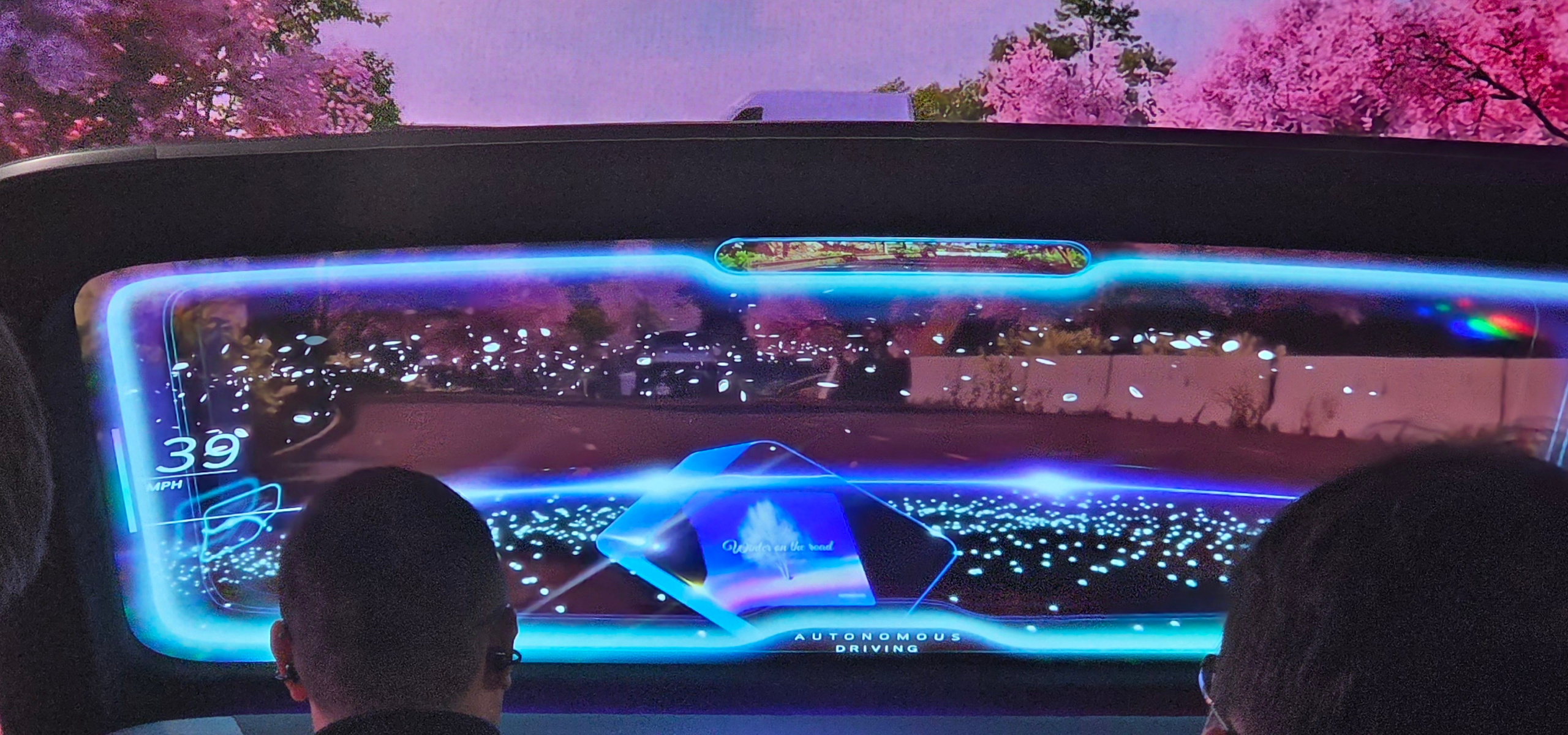
As driving becomes less hands-on, designers are starting to rethink what passengers are supposed to do with their attention. One solution on display was full-windshield augmented reality overlays that turn the ride into an interactive experience.
Navigation cues, entertainment, and environmental data were layered directly onto the outside world. It suggests a broader truth. When technology removes one responsibility, it often creates a new expectation for engagement or clarity.
We see the same pattern in enterprise systems. Efficiency alone is rarely enough. The experience has to make sense to the people using it.
Robots Are Becoming Less Flashy and More Useful
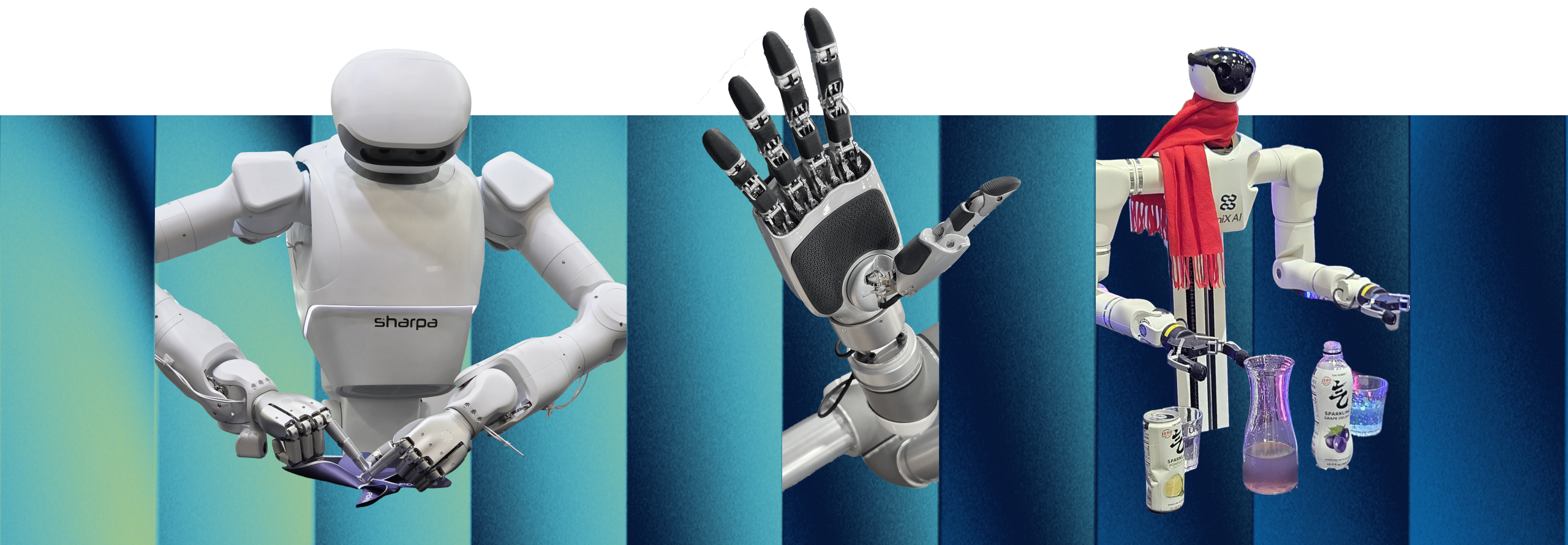
Robots were everywhere, but not in the cinematic sense. Most were purpose-built systems designed to handle specific tasks rather than generalized machines meant to do everything.
Cleaning, delivery, assistance, monitoring. Less spectacle, more specialization.
It reflected a broader shift in how automation is actually entering real environments.
Instead of replacing entire workflows, these systems are being introduced to solve narrowly defined problems where consistency and reliability matter more than novelty.
Organizations adopting automation often discover the same pattern. Progress comes from addressing concrete use cases one at a time, allowing people to build trust in the system before expanding its role.
The Supporting Systems Are Getting as Much Attention as the Headliners
Electric vehicles were everywhere, but some of the most interesting ideas were not the vehicles themselves. They were the systems being built around them instead.
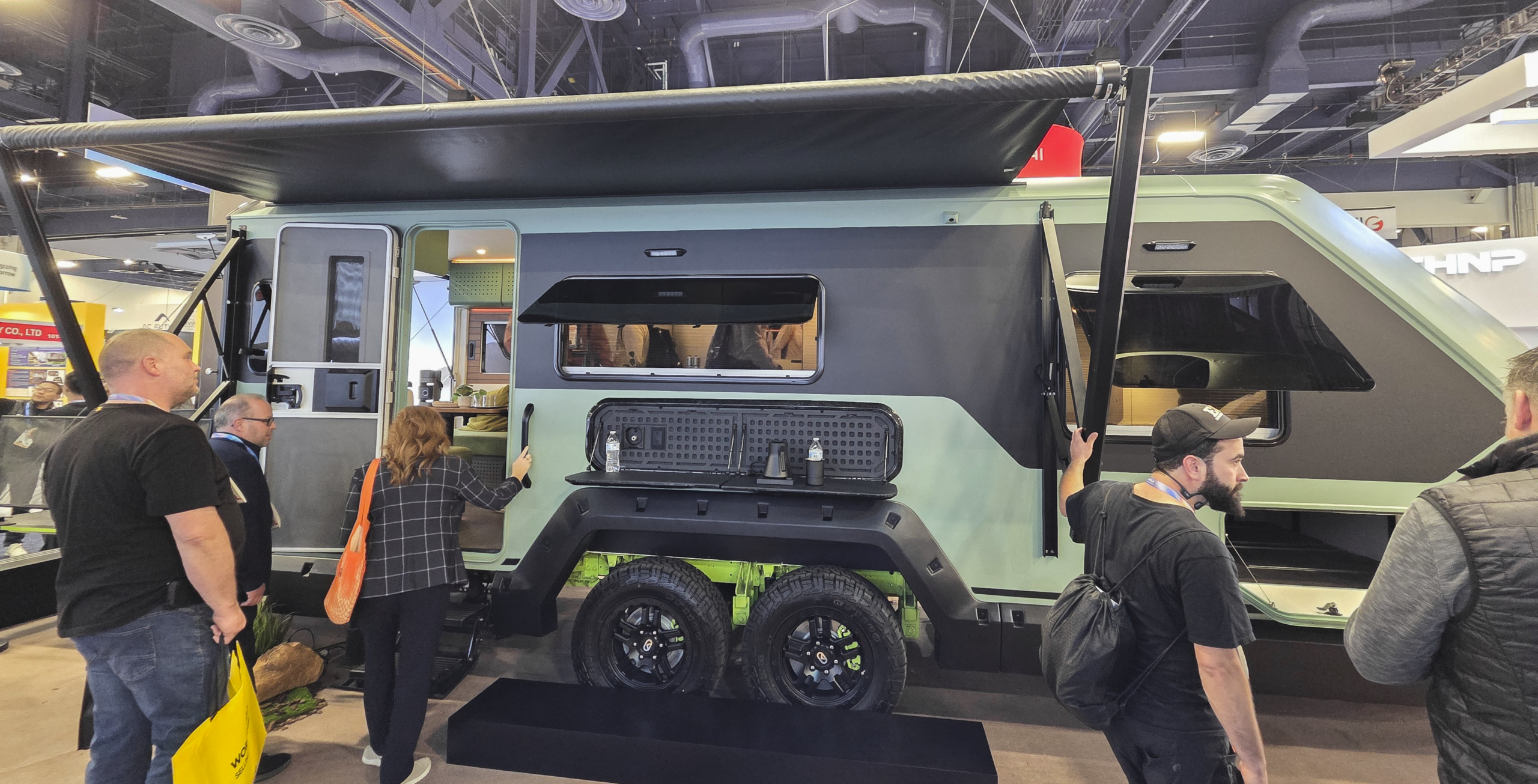
One example was an electric camper trailer designed to extend the towing vehicle’s range through regenerative braking, solar input, and generator charging. Instead of replacing the core product, it addressed a practical constraint that affects whether people can use it comfortably in real conditions.
It was a reminder that adoption often depends less on breakthrough technology and more on removing the friction around it. When the surrounding ecosystem improves, the central innovation suddenly becomes more viable.
Digital transformation follows a similar pattern. Progress rarely comes from swapping out a single platform. It comes from strengthening the connections, workflows, and supporting systems that allow the platform to function reliably in everyday use.
Some Innovations Are Clearly Helpful. Others Raise New Questions.
A few technologies stood out for more human reasons than technical ones.
One example was a personal hip airbag designed to protect older adults during falls. It was not flashy or futuristic, but quietly meaningful in a way that many headline innovations are not.
Another was Wi-Fi sensing technology capable of detecting movement through subtle changes in signal patterns. The capability was impressive, and slightly unsettling at the same time, because it suggested new forms of awareness without clear boundaries around consent or visibility.
Advancement does not only introduce new capabilities. It introduces new decisions about how those capabilities should be used, who controls them, and what tradeoffs organizations are willing to accept in exchange for convenience or safety.
The Interesting Part Is What Happens After the Announcement
Technology becomes meaningful when organizations have to make it work inside the systems people rely on every day. That is where excitement gives way to tradeoffs, edge cases, and decisions that cannot be solved by engineering alone.
A few themes from CES stood out once you look past the headlines:
- Autonomy is here, but reliability still requires refinement. Real-world environments expose complexity that no test environment can fully simulate.
- Removing effort changes user expectations. When technology simplifies a task, people expect greater clarity, engagement, or control in return.
- Automation is becoming specialized and practical. Progress is happening through targeted systems solving specific operational problems.
- Adoption often depends on the surrounding ecosystem. Supporting infrastructure and integrations determine whether new technology actually works at scale.
- New capabilities introduce new decisions. As systems become more aware and autonomous, questions about trust, visibility, and control become unavoidable.
At Carimus, this is the phase we focus on most. Not the announcement stage, but the adoption stage, where emerging technology has to integrate with real workflows, real systems, and real constraints.
That is where possibility becomes dependable.
“What I love about the culture at Carimus is that it thrives on a foundation of passion and excellence, where every individual is not just an employee but a valued contributor to our shared success story.
”
Looking beyond your own horizons?
Ready when
you are.
Blog & Posts